

Ultimate Guide to Dog Food 2026
Selecting the best dog food depends mainly on the breed, age, weight, activity level, health conditions, and personal preferences. A balanced, AAFCO approved diet that includes vitamins, minerals, carbohydrates, fats, water, and high quality proteins should be their meal plan. Choose food with meat, beef, and real chicken as the primary ingredient. Moreover, enrich their diet with omega-3 and 6, probiotics, and fiber. For sensitivities, start with limited ingredient options and see our sensitive stomach guide.
For a quick overview of formulation red flags, keep Ingredients to Avoid in Dog Food handy.
If you’ve got a pet dog and are wondering about the food, you’ve come to the right place. In this guide, you’ll learn about dog food, types, treats, allergies, brands, and even myths. Understand how you need to be careful about feeding dogs and what factors count!
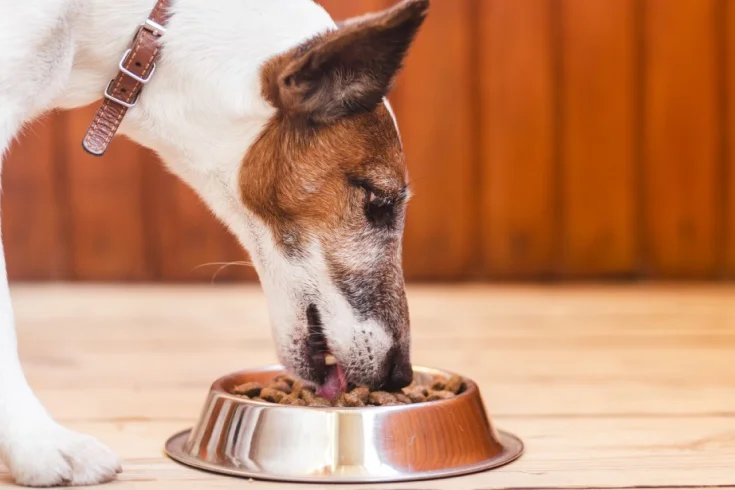
What Is Dog Food & What Makes It “Complete”?
“Complete and balanced” means it meets AAFCO or FEDIAF nutrient profiles for a life stage. Life stage fit matters: puppy, adult, senior. A food that is formulated to provide all the essential nutrients for their wellness and a healthy life. When a food meets the specific nutritional standards set by organizations like the Association of American Feed Control Officials (AAFCO) or the European Pet Food Industry (FEDIAF), it is considered balanced and complete. Learn how absorption happens in How Dog Digestion Works.
Besides, it must have the right proportions of essential nutrients and minerals, so that your dog doesn’t need additional supplements. Complete, supplemental, cooked, raw, kibble, canned, real meat, and by-product meals and diets are some dog food varieties.
Compare leading options in Best Dog Food Brands and Top Vet-Recommended Dry Foods.
To ensure the development, energy, and overall health, plan a diet according to the dog’s life stages, like puppy, adult, or senior. Proteins like fish, meat, and poultry, fiber and carbohydrates like vegetables and grains, vitamins like A, D, E, K, and vitamin B complex, and fats for bodily functions, and minerals like calcium, phosphorus, zinc, and magnesium are vital for structural development. As per AAFCO profiles, a balanced diet has 37 essential nutrients with guaranteed analysis of specific percentages, and crude protein for calculating and determining protein levels in the food.
Common Dog Food Types Explained
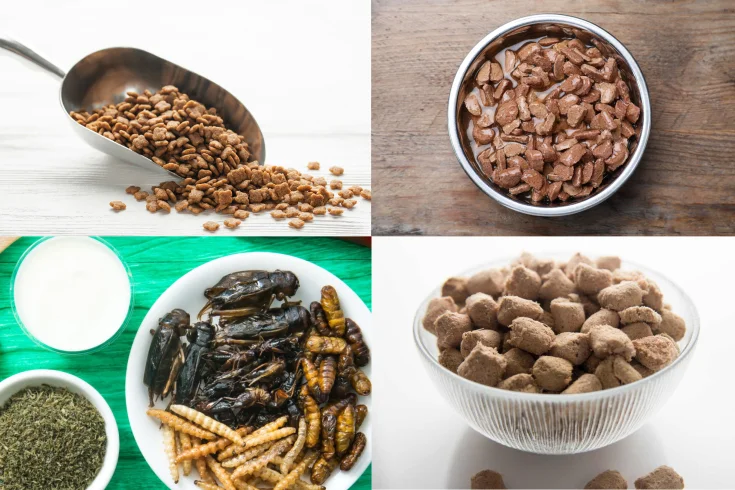
Preferences for the food vary from breed to breed. Some find dry food best, while some prefer wet food nutritious. Hence, the selection between dry vs wet dog foods is totally based on your dog’s preferences. Now that you know that food for dogs is specifically formulated for their consumption to ensure necessary nutrient balance, let’s move towards some main types of dog foods like dry kibble, wet/canned, plant-insect protein bases, and fresh or dehydrated options.
01out of 04Dry Kibble
Also, known as “dry kibble”, this food is the popular and affordable choice that is made using meat, grains, vegetables, and hard pellets. It provides the essential nutrients that a dog body needs. This highly processed and low moisture (10% or less) food is cooked at high temperatures, molded into different shapes, and then dried and coated with other flavorings. Dry food is the most convenient and shelf-stable option for dogs, which reduces the nutritional amount to some extent. Pair with moisture from wet food or add warm water for aroma. Usually, they come packed in large bags to be sealed and stored easily. It is generally less expensive than wet food/per calorie basis. This meal type is easy to handle, allows easy portion control, offers mental stimulation, and helps with dental health. It stays fresh for long spans and doesn’t even need refrigeration once opened.
02out of 04Wet Canned Food
Canned or wet dog food is highly palatable, nutritious, softer, and moist food that comes in trays, cans, and even in pouches. It is made by cooking ingredients like vitamins, meat, minerals, and water. Compared to dry food, it has high moisture content (about 75-78%). This food significantly helps with hydration, offers palatability, digestibility, is easy to chew, has a strong smell and flavor, and the taste is appealing. It is particularly best for senior dogs with dental issues or picky eaters. This cooked and sterilized food has protein sources, and the gravy contains minerals and vitamins. Get it in different textures like shreds (gravy chunks), stew (meat and veggies in broth), and pate (smooth). Once opened, it needs to be consumed within 2-3 days.
High moisture, palatable and ideal for picky eaters or seniors. Rotate textures (pâté, stew, shreds). Store correctly after opening then use best storage tips.
03out of 04Freeze-Dried & Air-Dried
Air or freeze dried dog foods are minimally processed and a raw ingredient based option. In freeze-dried, raw ingredients are frozen and placed in a vacuum chamber. Then the ice turns into vapor by passing the liquid phase. With crispy, light, airy, and porous texture, and less than 5% moisture content, it needs water rehydration before serving. Minimal heat exposure helps preserve the nutrients and flavor. While in air drying, the ingredients are slowly dehydrated on controlled air flow and low temperature air. It has a dense and chewy texture and around 8-12% moisture content. It can be directly served from bad without rehydration needs. The low heat process retains many nutrients and makes it a healthier option than highly processed kibble. Minimal processing with strong palatability. For raw-style options, review safety alongside Is Raw Chicken Good for Dogs? and ingredient quality checks.
04out of 04Plant-Based & Insect Protein Foods
Plant based dog food is formulated without using animal products. It simply involves the use of grains, legumes, fruits, vegetables, and other protein sources like peas and soy. These diets are considered nutritionally complete, providing essential nutrients from non-protein sources. Useful for novel protein trials and certain sensitivities. Ensure complete amino acid profiles and vet oversight. Cross-check with Ingredients to Avoid. Make sure the diet fulfills the nutritional needs and becomes a suitable diet. Talking to your veterinarian is recommended before switching your dog to plant based diet.
While insect based dog food has insects are the primary source of protein rather than traditional chicken or beef. It comes among the novel proteins, hence, a good choice for dogs with meat allergies. The most common insects that become their diet are crickets, mealworms, and black soldier flies. This hypoallergenic diet won’t trigger any allergic reaction, promotes gut health, is nutritionally complete, and has anti-inflammatory properties, supporting the dog’s skin, joints, and coat.
Good or Bad Dog Food Ingredients Breakdown
Good ingredients for dogs are certain substances and nutrients that are essential for overall health maintenance and support bodily functions. Certain ingredients that can cause illness and serious issues that could even lead to death when consistently consumed are referred to as harmful dog food ingredients. Ensure beneficial ingredients and avoid bad ingredients at all costs.
01out of 02Beneficial Ingredients to Add
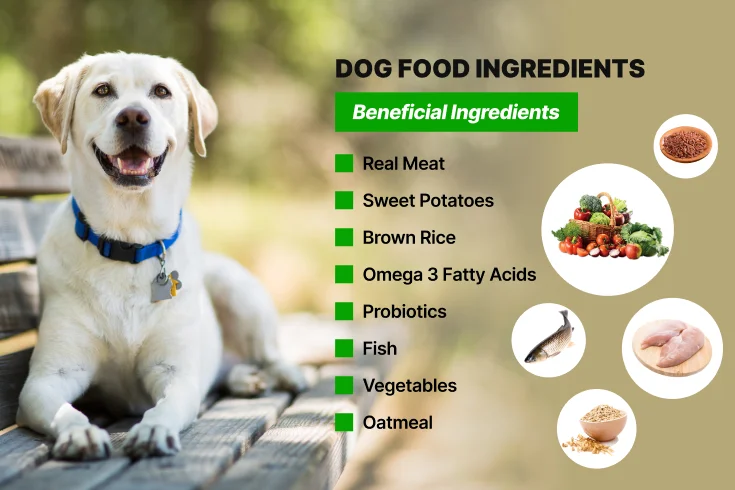
The best dog food contains an amount of Water, Proteins, Fats, Carbohydrates, Vitamins (A, D, E, and K), and Minerals. Some of these ingredients that contain these essential nutrients that are best for canines’ health are given below:
- Real meat
- Sweet potatoes
- Brown rice
- Omega-3 fatty acids
- Probiotics
- Fish
- Vegetables
- Oatmeal
02out of 02Harmful Ingredients to Avoid
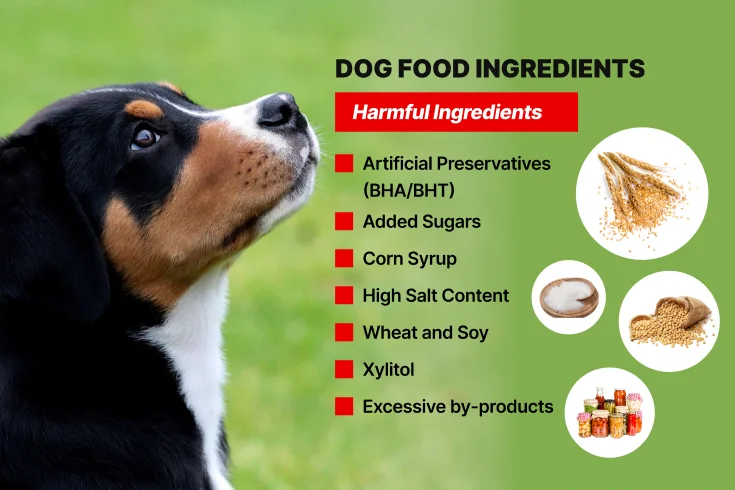
- Artificial Preservatives (BHA/BHT)
- Added Sugars
- Corn Syrup
- High Salt Content
- Wheat and Soy
- Xylitol (Artificial Sweetener)
- Excessive by-products
Deep dive into each component:
Chicken Meal in Dog Food Explained
Is Raw Chicken Good Food for Dogs?
How a Dog’s Digestive System Processes Food?
Want to know how long it takes for a dog to digest food? Or how their digestive system works? Firstly, the sight and smell of food trigger saliva production to lubricate the food. The process begins by chewing in the mouth, and teeth help break food into smaller pieces. The esophagus uses involuntary muscular contractions to move the swallowed food down to the stomach through peristalsis. The food in the stomach mixes with enzymes and gastric juice, and then protein digestion starts.
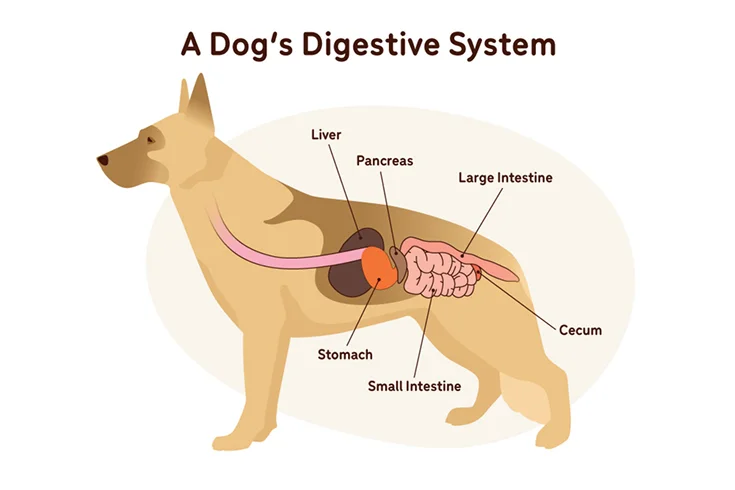
stomach acid (gastric juice) and digestive enzymes like pepsin to break down the proteins and kill bacteria. A mucus lining prevents these acids from being digested by the stomach’s own walls. The muscular contractions mix the food with gastric juices to create a thick and milky substance called chyme. The chyme moves through the valves, where small intestine absorption takes place to neutralize the stomach acid and absorb the nutrients into the bloodstream. The undigested material moves into the large intestine while water is being absorbed. Finally, the waste is excreted from the rectum in the form of feces.
Feeding Guidelines by Age & Weight
Many factors play an important role in how much you can feed your dog, like age, size, activity level, body condition, offered food, and reproductive status. The nutritional needs of dogs can vary as they get older due to their health status and changes. Based on the unique conditions of puppies, adults, and senior dogs. When adjusting portions or swapping foods, avoid GI upset, transition gradually and, for storage safety, see our Storage Containers for Fresh Food guide.
01out of 07Puppies
Puppies require specialized food with proper adjustment of frequency and portion size. The exact feeding amount for puppies depends on their age, breed, activity level, and personal preferences. Initially, the puppies can be given 3-4 meals, and as they grow to 6 months old, gradually reduce the amount to twice a day.
02out of 07Adults
Feeding adults requires a balanced diet of whole grains, lean proteins, fruits, and vegetables. Based on the specific food’s nutritional value, weight, and activity, the requirement for dog food can vary. It typically requires about 2-3% of their ideal body weight. Usually, the amount is divided into two meals. However, you can consult with a vet for a specific diet plan to ensure they stay healthy, well fed, and hydrated. However, calorie intake can vary.
03out of 07Seniors
Senior dogs need a diet with high quality proteins and few calories to maintain muscle mass. Besides, they also need beneficial supplements like omega-3s and glucosamine for joint health. Feed small amounts for digestion aid, monitor weight for obesity control, and consult with a vet if a specific diet plan is required. Plus, monitor portion size, body condition, and provide fresh and clean drinking water.
04out of 07Working Breeds
Working dogs are high energy breeds that need a nutrient-dense diet with at least 25% protein and 20% fat. Feeding must be divided into 2-3 meals a day, and avoid before and after strenuous activity like intense exercise. Also, you can supplement their diet with omega-3s, glucosamine, and antioxidants to support joint, cardiovascular, and muscle health. To prevent weight gain in working dogs, decrease food intake by 20-30% during the rest periods.
05out of 07Toy Breeds
Talking about the toy breeds, multiple small meals throughout the day can be given. Use foods specifically formulated with nutrient dense formulas for small toy breeds that are easy to chew, like smaller kibble pieces. When preparing meals for this breed, always use a kitchen scale to measure the amount accurately for portion size. The training treats and table scraps all count in the total calorie intake for the day.
06out of 07Dog Feeding Chart By Age
| Type | Age | Frequency | Food Amount |
| Puppies | 8-12 Weeks | 3-4 Meals Per Day | Varies based on breed and food type. |
| 3-6 Months | 3 Meals Per Day | Varies widely by breed and food type | |
| 6-12 Months | 2 Meals a Day | Varies by breed and food type | |
| Adults | 12-18 Months | 2 Meals a Day | Varies based on weight and activity level |
| Senior | 7-8 Years | 2 Meals a Day | Based on their health condition |
| 10-12 Years | 2 Meals a Day | Need a low-calorie diet due to slow metabolism, requires vet consultation. | |
| Working Breed | 2-12 Years | 2-3 Meals a Day | Varies for smaller breeds |
| Toy Breed | 10-15 Years | Initially 4-6 Meals, Transition to 2-3 Meals a Day | 4-6 for puppies, and 2-3 meals for adults |
07out of 07Dog Food Feeding Chart By Weight
| Dog Type | Weight Range | Cups Per Day |
| Puppies | 3-13 Ibs | ½ – 1 ¼ |
| Small Dogs | 13-20 Ibs | 1 ¼ – 1/ ⅔ Cups |
| Medium Dogs | 21-35 Ibs | 1 ⅔ – 2 ⅓ Cups |
| Adult Dogs | 36-50 Ibs | 2 ⅓ – 3 Cups |
| Large Dogs | 51-75 Ibs | 3- 3 ¾ Cups |
| Very Large Dogs | 76-100 Ibs | 4- 4 ⅔ Cups |
| Senior Dogs | Over 100 Ibs | 4- ⅔ Cups |
Best Dog Food for Sensitive Stomachs
Dogs can experience stomach issues at times due to various reasons, such as a sudden dietary change, food intolerance, stress, or consuming something that triggers allergies. In such a condition, a high quality and easily digestible food must be served to your canines. If your dog is experiencing occasional vomiting, loose stools, and flatulence, the best thing to try is limited-ingredient dog food. Start with limited ingredient diets, consider novel proteins and simple carb sources. If loose stools or vomiting persist, consult your vet and browse our Sensitive Stomach picks.
01out of 04Limited Ingredient Diets
Limited ingredient diet simplifies their food, offers easy digestibility, minimizes gastrointestinal upset, and reduces the chances of allergic reactions. LID doesn’t contain harmful and triggering ingredients like allergens, artificial additives, fillers, and grains like corn and wheat. It improves digestion, is ideal for diet elimination, and provides balanced nutrition that meets the dietary needs of the dog. When you buy LID foods for dogs, look for single protein options like turkey or duck rather than meat. Also, check if it contains novel proteins, easily digestible carbohydrates, prebiotics, probiotics, and fibers. Make sure it doesn’t contain any artificial colors, flavors, fillers, preservatives, or sweeteners.
02out of 04Grain Free Diets
Grain-free vs Grain-inclusive dog foods are the common debate when it comes to their stomach sensitivity. Grain free options are the best choice for dogs with sensitivities. That’s because these foods eliminate the common triggering elements like wheat and corn. These ingredients cause bloating, gas, vomiting, and diarrhea. But it is not a valid or permanent solution because some dogs will still have trouble with the grain free foods. That’s why it is recommended to get the vet’s consultation before making any changes in the current diet, as it will be particularly helpful for dogs with heart conditions.
03out of 04Novel Proteins
Novel proteins (duck/venison) are another best feeding solution for a dog’s diet because it is good for stomach sensitivity issues. As dogs are not exposed to those proteins before, it significantly reduces the allergic reactions. Novel proteins are easier for digestive systems to handle for most dogs. These proteins can be duck, kangaroo, and venison that won’t trigger a reaction.
04out of 04Bland Diet
It is a temporary diet that is recommended to dogs for easier digestibility because it eases gastrointestinal issues. This meal is made of plain carbohydrates, lean protein, and lean ground beef. Also, it commonly involves boiled white rice and boiled boneless and skinless chicken. Keep a 2:1 or 3:1 ratio of carbohydrate to protein. It can be given after a period of fasting to rest issues like vomiting and diarrhea with proper guidance from nutritionists or vets.
Dog Food Allergies Explained
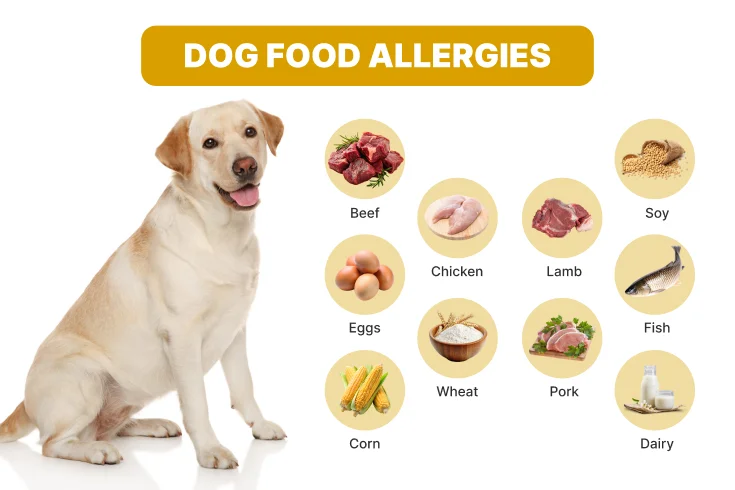
An overreaction in a dog’s body due to an ingredient that can be mistakenly identified as a harmful invader. Those ingredients usually are chicken or beef, which cause immune reactions like digestive upset, itchy skin, and secondary infections. Therefore, a pet parent must know which vegetables/fruits dogs can eat and which ones are not safe for them.
01out of 06Beef & Chicken Allergy
Chicken and beef are the most common food allergens, causing protein specific sensitivities. The most common symptoms of beef and chicken allergy in dogs are gastrointestinal issues, skin irritation, excess gas, and ear infections. It can be treated with a vet’s help and a try elimination diet for any suspected ingredient.
02out of 06Dairy Intolerance
It is basically a digestive issue that is caused by sugar in milk, the inability to break down lactose, and a deficiency of the lactase enzyme. Its symptoms include gas, bloating, diarrhea, vomiting, and abdominal pain right after 30mins-12 hours after dairy product consumption.
03out of 06Wheat Sensitivity
Wheat is another ingredient in dog food that they are allergic to. It can cause serious issues and symptoms involving chronic ear infection, skin irritation, and digestive issues like gas and diarrhea. Gluten in wheat can also be problematic for some dogs. Eliminate wheat from their diet and consult a veterinarian for a proper diagnosis.
04out of 06Unsafe Vegetables
Onions, garlic, chives, tomatoes, eggplant, radishes, corn, garlic, and wild mushrooms are some vegetables that are not safe for dogs. These vegetables can cause serious health issues ranging from gastrointestinal issues to poisoning. Onions, garlic, and chives can damage red blood cells, causing anemia. The leaves and stems of tomatoes are toxic to dogs.
05out of 06Harmful Fruits
Grapes, raisins, avocados, cherries, tomatoes, and citrus fruits are the fruits that are toxic to dogs. Raisins and grapes cause kidney failure, cherries have cyanide in pits, and avocados have Persin toxin. Plums, peaches, lemon, and lime are some fruits that are highly toxic, causing intestinal blockages and stomach irritation.
06out of 06Other Ingredients
Besides beef, dairy, wheat, and chicken, eggs, lamb, soy, corn, fish, and pork are the ingredients that must not be given to dogs. But all these foods affect only 2-6% and are the less common allergens for dogs. If you suspect an allergy to any of these ingredients, an immediate consultation with a vet is recommended.
Chicken and beef lead common protein reactions; dairy and wheat intolerances also appear. Track symptoms and try elimination diets with veterinary supervision. For safe fresh add-ins:
1. Vegetables Dogs Can Eat
2. Fruits Dogs Can Eat
Also Check: why dogs shouldn’t eat cat food.
Homemade Dog Food | Pros & Cons
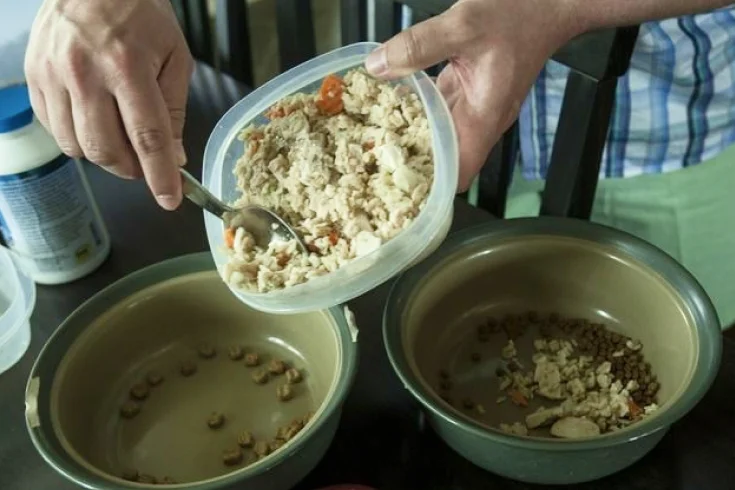
Food prepared using fresh ingredients like vegetables (carrots, spinach), proteins (chicken, beef), and grains (rice and oats) is called homemade dog food. The meal can be customized for specific ingredients and proportions to align with the nutritional needs of the dog. Although it can be prepared for with proper planning, with a mix of micronutrients and proteins, carbs, and fats, you need to know when homemade is unsafe and lacks nutritional deficiencies and excesses and requires a vet’s assistance.
01out of 02Pros of Homemade Food for Dogs
- Allows full control over ingredients
- Offers the flexibility of customizing the diet
- Food aligns the dog’s specific needs.
- It can treat allergy conditions in dogs.
- Prepares fresh, high quality, and digestible meals.
- Brings nutritional quality and adds variety to food.
- Free of filler, artificial additives, and preservatives.
- Ensures cost-effectiveness as it can be prepared at economical rates.
- Brings you closer, allows bonding, and ensures a rewarding experience.
02out of 02Cons of Homemade Food for Dogs
- Homemade diets lack essential nutrients.
- Lack of calcium, zinc, and vitamin E causes skeletal issues.
- Leads to over supplementation of vitamin D, affecting soft tissues.
- Limited protein sources can lead to an incomplete amino acid profile.
- It will lack quality control, nutritional value, and consistency.
- It can have toxic ingredients and cause bacterial contamination.
- It requires planning, effort, and proper time investment.
Common Dog Feeding Mistakes
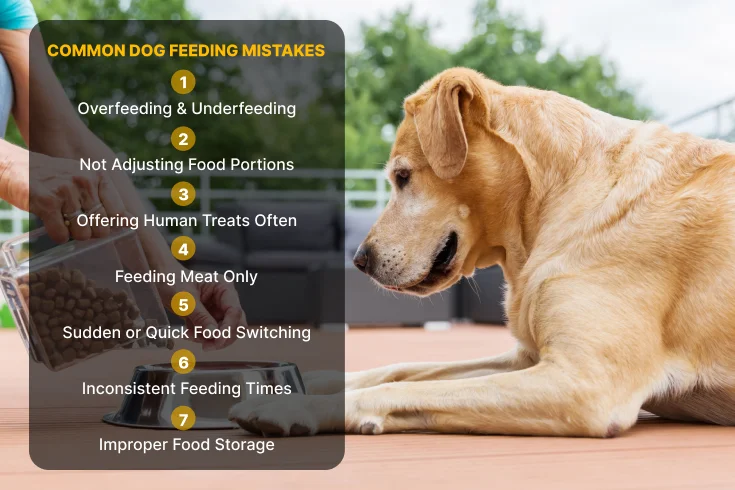
Let’s learn about some frequently found mistakes by dog owners when it comes to feeding dogs. Overfeeding, giving too many treats, free feeding, and abrupt food switching are the most prominent mistakes discussed below.
01out of 07Overfeeding & Underfeeding
By allowing free-feeding, overfeeding happens as they overeat the scheduled or allowed portion per meal. Also, check if the dog is eating less or how long it can go without food. Use a measuring cup for serving rather than giving a guessed amount.
02out of 07Not Adjusting Food Portions
A dog’s eating needs vary as they age. Puppies require frequent feeding while adults usually need two meals per day, as mentioned above in the table. Evaluate their energy level, weight, and dietary needs and give them the recommended portion size according to the nutritionist’s or veterinarian’s advice.
03out of 07Offering Human Treats Often
Too many treats, and that too, human treats can result in the unbalancing dog’s diet and excess calories. For even best and healthy dog treats with calories, follow the “10%” rule; they should only make the 10 percent of their total diet. As it can cause digestive issues, and other problems like diabetes and obesity.
04out of 07Feeding Meat Only
Giving only meat consistently to dogs is not okay, as it can lead to serious health issues. While it satisfies their protein needs but their diet needs to be balanced with other essential nutrients like vitamins, minerals, carbohydrates, and fibers, often found in vegetables and fruits.
05out of 07Sudden or Quick Food Switching
The abrupt changes in a dog’s diet plan are not recommended at all because they can lead to gastrointestinal issues like diarrhea, vomiting/regurgitation, gas/bloating, and abdominal pain. Also, due to an upset stomach, it leads to loss of appetite, nausea, and lethargy due to dehydration.
06out of 07Inconsistent Feeding Times
To reduce stress and anxiety, it is necessary to establish a proper feeding time with proper portion control. Also, make sure not to skip any meals from the routine. Maintaining consistency will ensure improved digestion, weight management, reduce anxiety, and allow easy health monitoring.
07out of 07Improper Food Storage
Storing food in an airtight dog food storage container is highly recommended to maintain its nutritional value. Buy small bags for small dogs and make sure it is finished in the allocated timeframe because it can lead to food spoilage and mold, and bacterial contamination.
Dog Treats & Snacks
Reward your dogs often with some refreshing and crunchy treats that are worth it and easy to make and serve as well.
- Organ Meat
- Chicken and Apple Treats
- Raw-hide Free Chews for Dogs
- Tropical Popsicle
- Frozen Strawberry & Banana Smoothie
- Pumpkin & Banana
- Serve Frozen Watermelon
- Classic Christmas Pudding
- Blueberry Dog Treats
- Dog Vanilla Sandwich Cookies
- Cooked Plain pumpkin
When to Switch Dog Food?
Based on their lifestyle, health needs, and life stages, dog food can be switched. You need to transition their food from puppies to adults and adults to senior formulas based on their age and health issues.
01out of 05Diarrhea
In case your dog is suffering from diarrhea, consult a vet, then temporarily switch to easy to digest formulas. Also, you can give them bland diets like rice and boiled chicken, and wait for their stomach to settle. Once diarrhea ends, you can gradually shift their food to normal.
02out of 05Stool Quality
If stool quality is the ongoing problematic cause, you can gradually transition to a limited-ingredient diet to avoid digestive upset. Ask the vet to find underlying health issues and introduce a new diet over 7-10 days using the mixing method to let them adjust it according to the digestive system.
03out of 05Vomiting
Never switch them immediately to a new diet when they are suffering from vomiting because this sudden change can worsen their upset stomach. First, determine the vomiting cause, consult a vet, and then slowly switch them to a bland diet for a day or two.
04out of 05Skin Irritations
For skin irritation, infection, or fleas, a gradual transition to a limited ingredient is recommended. That’s because some low quality ingredients can trigger allergies due to a lack of nutrients essential for healthy skin; hence, opt for hypoallergenic diets.
05out of 05Weight Management
For underweight and overweight dogs, a weight management diet is prescribed by the veterinarian. Either adjust the current feeding amount or switch to a specialized weight management or weight loss dog food from any reputable brands like Purina Pro, Hills Science, Royal Canin, Purina One, and Blue Buffalo.
Know About the Biggest Myths & Trends About Dog Food
Explore some myths about food for dogs and the latest trends that deny them, with valid facts about grain free, homemade, or raw diet debate mentioned here. Those trends will eliminate your myths about food that are fueled by marketing rather than science.
Some Common Dog Food Myths
01out of 06Grain free Diets are Healthy
In grain-free controversy, it is considered that grain-free is always healthier, but dogs digest grains like wheat and corn, which are a nutrient and protein source. Rather, grain-free diets can cause heart problems in some dogs. However, some dogs genuinely have grain allergies.
02out of 06High Protein Diets Are a Threat
Excess proteins are not risky for a dog’s kidneys or life. High protein diet simply needs to be excreted. It is good when served, but it is beneficial only when served moderately. An excess of it can cause certain imbalances and can be harmful.
03out of 06Raw Food is Always Safer
It is a myth that raw food is a safe choice, as it significantly poses risks like bacterial contamination from pathogens. Bacteria like E. coli and Salmonella can cause issues like nutrient imbalances, bacterial infections, and injuries in both humans and dogs.
04out of 06Homemade Food is Best
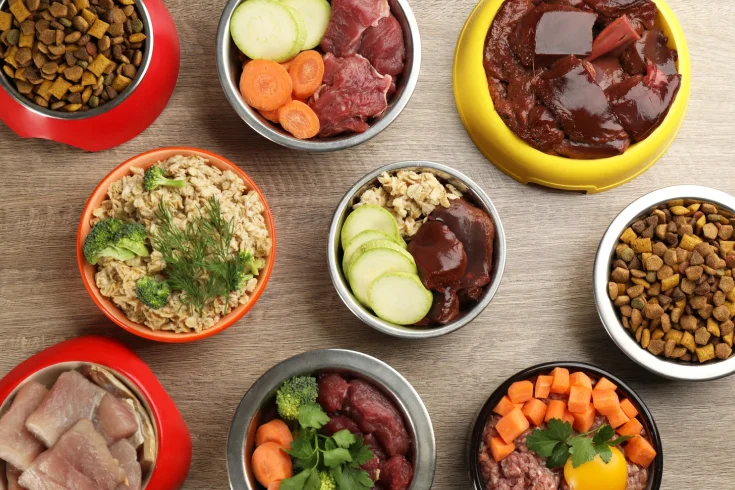
Homemade dog food does offer certain benefits like customization and addition of fresh ingredients, but that’s not it. It is a myth because if the food is not formulated by a professional, it lacks nutritional adequacy, has ingredient imbalances, and can have bacterial contamination.
05out of 06Bones are the Safe Choice
Cooked and raw bones are not a safe or good choice for dogs to chew because they can cause injuries ranging from broken teeth, choking, and mouth, esophagus, stomach, and intestine issues that will need emergency surgeries.
06out of 06By-products are Bad Ingredients
It is a consumer psychology considering by products as undesirable waste products. But nutrient-rich animal organs are meat cuts by products for human consumption, which means they are highly nutritious. Hence, check the label for ingredients carefully.
Explore balanced, transparent brands in Top 10 Best Dog Food Brands in 2026.
Dog Food Trends that Address these Myths
If you have ever encountered any of the above mentioned myths, including homemade, raw food, or gluten-free hype, here are some scientific facts to help you overcome those false assumptions.
01out of 04Nutritional Balance is the Key
Balanced nutrition is the key to maintaining overall health and wellness. Choose food with nutritional adequacy and completeness, customized to the specific requirements of your dog. Invest in high quality commercial dog food or plan homemade meals carefully.
02out of 04Breeds Appropriate Diets
Focus on providing the food that minimizes grains and processed food and offers a diet that is rich in organs, fresh meat, fruits, and vegetables. Also, include safe human foods and other essential supplements like fatty acids and probiotics.
03out of 04Customized Nutrition
Nutrition customization will basically add safe and high quality ingredients to the dog’s diet, eliminating the allergic and triggering ingredients. A custom diet will not have any nutritional deficiencies or imbalances, hence, good for the picky eaters.

04out of 04Transparency and Quality
Always go to reputable dog food stores after checking the positive reviews and getting references. Pick breed and condition specific dog food. Be sure to check the label and read the listed ingredients. The label must have a nutritional adequacy statement.
Dog Food Considerations Based on the Dog’s Profile
Talking about feeding canines, based on their age, health status, lifestyle, food quality, and budget, there’s a need for balance as per nutritional guidelines.
01out of 08Age
Dogs’ food must be formulated for their life stages: small puppies, adult, medium, and senior. Calorie, fat, and protein intake levels vary significantly based on their joints, rapid growth, and sustained health. Stick to the age-specific dog diet chart.
02out of 08Breed
Based on life stage, breed type, size, and activity level, small breeds may need small kibble and high calories, and large breeds need formulas that support their joint health. With a valid AAFCO statement, personalized vet advice, give complete and balanced food with animal proteins as the first ingredient.
03out of 08Performance/ Activity Level
Understanding a dog’s energy needs is crucial to serving food accordingly. Based on sedentary, moderate, active, and very high active energy, nutritional balance varies; hence, go for guaranteed analysis or ingredients, calorie statement, and AAFCO standards.
04out of 08Health Conditions
Improper digestive systems, weak bones, less shiny fur, and less glowing skin are some common health conditions in dogs. Dogs with gastrointestinal issues are prone to vomiting and diarrhea; hence, they need to be careful with their food choices.
05out of 08Ingredients Quality
High quality protein source provides a complete amino acid profile and other ingredients like fruit, meat, carbohydrates, and vegetables. Check the ingredients list to watch out for artificial additives, preservatives, corn, wheat, and avoid fillers, flavors, and colors.
06out of 08Sensitivities
If your dog gets triggered by certain ingredients in the provided food, opt for the diet elimination method or get the food that doesn’t contain those ingredients. If itching, licking, chewing, gastrointestinal issues, or any chronic ear or eye infections happen, conduct a veterinary supervised elimination diet.
07out of 08Brand Reputation
Always prefer a reputable source or brand to buy products. Make sure the brands you chose have board certified veterinary nutritionists on staff and that the safety testing is being done. Determine the scientific integrity of a brand by going through the WSAVA nutritional guidelines and checklist, reading reviews online, and demanding transparent answers to those questions.
08out of 08AAFCO Guidelines
Must check the statement from the Association of American Feed Control Officials (AAFCO) to have a guarantee of nutritionally balanced and complete food. It indicates that the food meets the standards set for specific life stages, health conditions, and is nutritionally adequate.
Final Thoughts
When you have pets in your household, dog food is the key to keeping them in the best of health. From age to breed, and health issues to diet preferences, and behavior to reactions, dog food requirements vary. Understand about the complete and nutritious food, dry vs wet dog food, and good or bad ingredients. Also, know about the dog’s digestive system to process food and guidelines in terms of their age, weight, and stomach sensitivity. Consult a vet if vomiting, diarrhea, or any medical condition persists. Gradually transition (7–10 days) your dog to a limited ingredient diet to not triggering the sensitivity.
Also, our guide covers the pros and cons of homemade and commercial dog food and when to switch to it by selecting the best dog food brands. You must read on about dog food shopping from the warehouse to understand the considerations required before buying food. The food needs to be properly utilized or stored in a proper storage. Besides, we’ll help you overcome some dog food myths. Your food for dogs must meet AAFCO nutritional requirements and AAHA dog feeding guidelines.
Want to dive deeper into dog nutrition? Explore these expert guides
- Find What Suits Your Dog: Dry vs Wet Dog Food
- Check 2026’s Top Vet-Recommended Dry Foods
- Explore AAFCO Approved Best Dog Food Brands
- Find gentle formulas Sensitive Stomach Diets
- Identify harmful additives Ingredients to Avoid
- Learn How Dog Digestion Works