Can Dogs Get Poison Ivy? Symptoms & Solutions
All humans have probably seen or even experienced the red, itchy rashes appearing on the skin until they realized it’s poison ivy. If you’ve come across it even once, you’ll be aware of the aftermath. Being an owner of a dog, you’ll never want to come home after a long trek or hiking and find out that your dog’s skin has rashes due to exposure to poison ivy.
While it is not very common, your dogs can be affected by poison ivy, too. To avoid the chances of your dog being incredibly ill, it is crucial to understand how it affects, heals, and when to see your vet. Here we are discussing the severity of the poison impact in case it is touched or ingested by your dog!
What is Poison Ivy? What Does Poison Ivy Look Like?
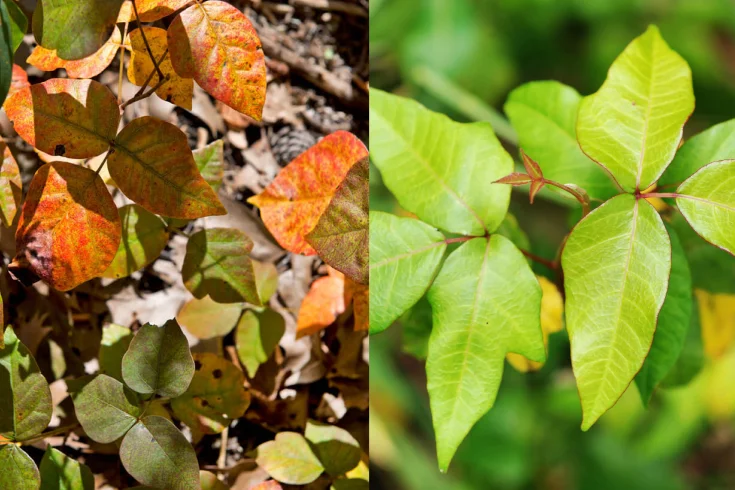
Native to Asia and North America, it is an allergic plant, having an oily resin called urushiol on roots, stems, and leaves. This plant with red, yellow, orange, and green leaves depending on the season. or tiny white flowers and berries. It is found throughout of United States, excluding Hawaii, Alaska, and the West Coast.
According to veterinarians at the ASPCA, exposure to urushiol can trigger skin irritation and GI issues in pets.
When any living body comes in contact with this plant, the resin creates a reaction in a rashes and rarely in blister form. It is not only found on Ivy, but on other plants as well, like poison oak and poison sumac, and contact with these plants results in the same skin reaction in an allergic form. It is often found in the woodsy areas, roadsides, riverbanks, open fields, and even in urban areas.
What Makes Poison Ivy Toxic?
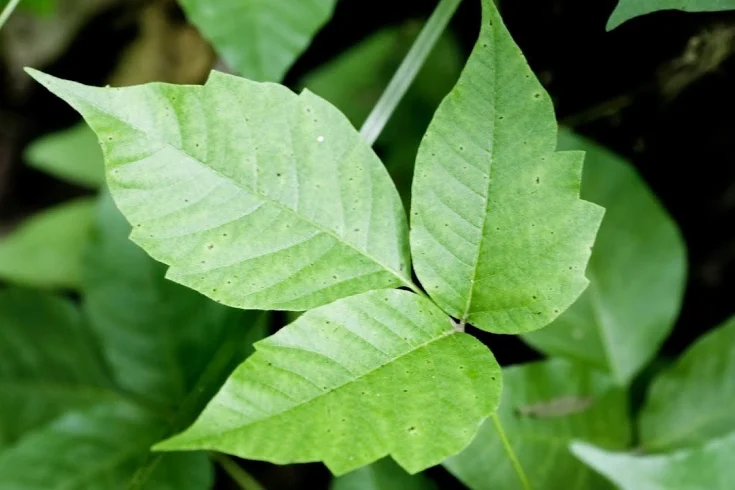
You might have heard the line ” Leaves of three, let it be”. This is a thumb rule to avoid toxic plants like sumac, oak, and Ivy. If you are concerned, what causes the poison ivy reaction? These plants’ sap contains urushiol, an oil that causes hypersensitivity regarding allergic reactions. Approximately 50-75% of people are allergic to this oil.
Besides dogs, it also causes an allergy in horses and cattle. Any contact with this toxic oil can result in adverse allergic reactions to the skin and leading to gastrointestinal upset. Whether the oil gets on you during gardening or on your dog’s fur and coat while hiking, the skin will definitely get infected either way. If oil is aerosolized, the reaction can be more dangerous, which can take humans and dogs both to the hospital.
Can Dogs Get Poison Ivy Rashes?

Can dogs get rashes from plants? Can dogs be allergic to poison Ivy? Yes, they do get rashes, and some common outdoor irritants for pets are Ivy plants. These kinds of outdoor skin hazards for dogs won’t be deadly because they won’t put your puppy’s life on stake. Poison ivy rash in dogs happens when they simply touch these plants.
If rashes come with digestive upset, See our guide to best dog food for sensitive stomachs
However, if your canines ingest this plant, it can cause diarrhea, vomiting, drooling, and loss of appetite, which are gastrointestinal issues. Whereas skin allergies include rashes, scabs, blisters, and swelling. That’s why soothing oatmeal bathing dogs after trail walks is a must.
Can Dogs Get Poison Oak or Sumac? What’s the Difference?

Sumac, Ivy, and poison oak and dogs have the rarest relationship because they are not commonly found. The Ivy, oak, and poison sumac reaction in dogs is almost similar. Let’ find out the basic differences among them.
01out of 03Poison Ivy
Poison ivy is found throughout most of the United States, grows in clusters of three with glossy coating and smooth edges, and has red and green leaves in the spring. Touching any of its parts causes a rash.
02out of 03Poison Oak
Poison oak is another harmful plant that is similar in appearance to poison ivy. Their leaves often grow in threes. Compared to Ivy, it often grows as a shrub.
03out of 03Poison Sumac
Poison sumac is found in the Marshlands of the Northeast and grows in clusters of seven or more as a tall shrub or small tree. Their leaves turn orange, yellow, or red in the fall.
Symptoms of Poison Ivy in Dogs
Dogs and toxic plants can have a mild to severe reaction when they come into contact. Before treating poison Ivy in dogs, understand how dog’s digestive system works and possible symptoms that appear after your canine has either touched or ingested these plants. Some canine Dermatitis and gastrointestinal issues are:
- Itching, Rashes
- Vomiting, Nausea
- Salivating, drooling
- Red Bumps, Swollen Skin
- Blisters and Scabs
- Abdominal Pain
- Diarrhea
- Anaphylactic Shock
- Difficulty Breathing
- Excessive Skin and Fur Licking
If you suspect any of these signs, take them to a vet for an exam to prevent further preventing dog skin issues. If you find an itchy dog after walk and it’s an emergency, seek veterinary treatment for skin irritation and medical assistance immediately.
How to Treat Poison Ivy on Dogs? Home Remedies vs Vet Care for Rashes
When your canine ingests this plant, you might fear: Can poison Ivy spread from dog to human? It’s your time to try some natural remedies for dog rashes. Firstly, dry wipe before washing dog after exposure to plants. It will prevent oil from spreading from fur and coat to the skin. Next up, wear gloves before washing to guard yourself from itching.
Choose any dog-safe shampoos for skin irritation and thoroughly bathe them. Particularly, wash the areas with less fur or coat, like the face, paws, ears, and belly, because these areas are more likely to get rashes. Another solution is asking for pet poison helpline. Vets will recommend antibiotics, special ointment, and steroid medications.
How to Get Poison Ivy Out of Your Dog’s Fur?
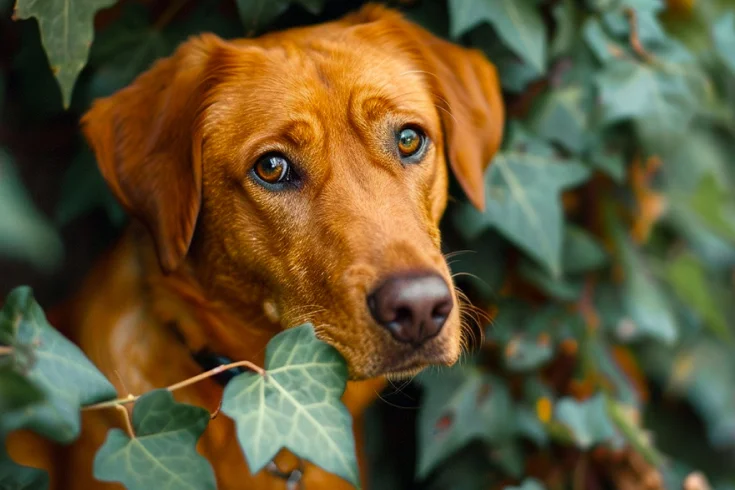
Is poison Ivy dangerous to dogs? What to do if dog touches poison Ivy? No matter what, addressing this plant’s effects is crucial. Dogs brushing against toxic plants deserve a proper cleansing treatment at home as soon as the signs appear. Using an anti-seborrheic or keratolytic shampoo can minimize the toxic impact. It is best to take them along when you take them on hiking and camping.
To Finalize
Do dogs get poison Ivy? Is poison Ivy fatal? Can you get poison Ivy from your dog’s fur? All of your concerns regarding Urushiol oil and dogs have been addressed with signs, prompt action, and suitable measures must be taken by the pet owners. Although it is not fatal or deadly, treating it right away is the best possible thing you can do, particularly when you notice any severe symptoms. As an instant measure to skin irritation in pets, give your dog a complete bath with an oatmeal shampoo. If you find the condition serious from these plant-based dog allergies, take your pet to the vet for relevant treatment. Plus, make sure you know dog-friendly hiking tips for your next travel adventure!